Experts say being a mom is terrific. Days filled with hugs, kisses, and joy. Spare me! Put any of those experts in my car, and they’d choke on their theories in a heartbeat. My three kids were screaming like cockatoos in the backseat while we sat trapped in L.A. traffic. I gripped the wheel, dreaming of the beach. Tomorrow. One last ocean escape before summer ends. That’s the plan… Or at least it was until my husband ruined it.
For months, he’d had his eyes on a new Tesla. No surprise that the moment I walked in the door, he yelled: “We are picking up Tesla tomorrow! 4 pm!” excitement spilling over every word. “What? I told you, tomorrow we are going to the beach,” I insisted. “No. You’ll drive me to pick up the car,” he confirmed without looking at me.
So much for relaxing in the sand, even though I desperately needed a break; now we were picking up Tesla—4 pm—the exact window to wreck my day. The kids were thrilled. My husband was ecstatic. And I was… pissed. I saw children’s crescent grins and asked myself: Why wasn’t I excited about a new car? I know I should have been. Because it never mattered what I wanted. They just assumed I’d tag along, like I’ve always had. I was their 24/7 full-service robot.
The next morning proved it. Coffee reheated twice. Reading my book was interrupted by a pounding fist that demanded ‘Mommy!’ And before I noticed, I was back on duty on my supposed day off.
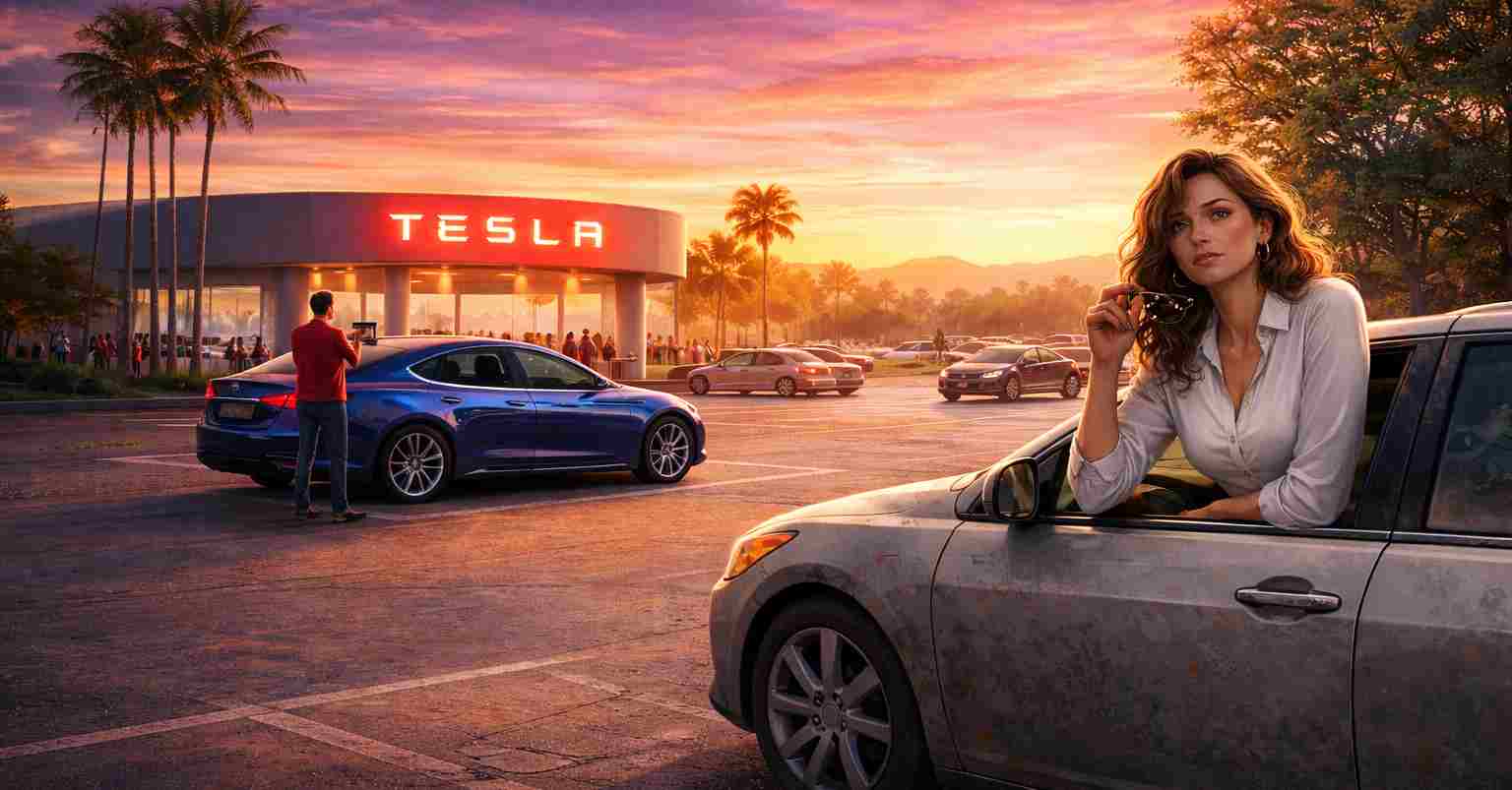
At four o’clock sharp, I was standing ten feet away, watching my family worship a shiny-blue beast that hijacked my Sunday. It reigned in the parking lot, staring me down, mocking my resentment. The kids bounced around in a frenzy, smudging their fingerprints across Tesla’s spotless body, while my husband walked around beaming.
A man in a blazing red Tesla T-shirt and biker sunglasses burst out. He attacked the car with a bright-yellow rag like a soldier on parade, buffing the exterior. But he could hardly keep up with my kids, who undid his work in seconds. I laughed to myself, seeing his worried face and sweat breaking out on his forehead. I wondered if I looked like this when I cleaned at home.
Instantly, the humor evaporated. I realized I envied him. He—the man wiping cars—had a paycheck, a lunch break, and the occasional ‘thank you.’ Me—a mom with a so-called fancy (yet completely useless) law degree—had none of that. I stood in my well-tailored trousers and a silk blouse—presentable outside, but hiding swollen eyes behind sunglasses. Had anyone come close, they’d see the tears burning underneath. But nobody dared to approach. I was too damned well-composed. I stared at my family, realizing that I didn’t fit in this moment. Not in this car.
“Excuse me,” a soft voice broke my thoughts. “Do you mind taking a picture of me in my new car?” A curly blonde dude politely held out his phone. With the sun against his back and a big smile, he looked like an Inca sun god. I smiled and almost bowed. But the glare of Tesla beside him spotlit the true god on this lot. “Of course,” I replied and snapped a few shots from different angles. “Thank you,” he radiated gratitude. Then he slipped inside the car and pulled away.
Meanwhile, my husband asked the kids to remove their shoes before entering. Shoes lined up immediately, as if this Tesla was a temple. “Holy Tesla,” I whispered, jaw hinged open. I was stunned. Since when? When did he start caring about shoes? At home, they tramp through the living room as if it had a built-in self-cleaning feature—another reminder that it was time to move on and begin a new life. Reality barged in when I heard my kids already fighting about the seats, while my husband paced around the car like a lunatic, searching for imperceptible scratches.
Why do I keep calling him my husband? Maybe because, legally, we are still married, and “father of my kids” sounds too harsh, considering that we all share a roof. Yet, I was happy for him. Very happy. He’d worked hard, climbing his legal staircase steadily, each step rewarded with a raise or a promotion. And now he’s reached the wheel of his dream.
And my dreams? They’d been shot off with a silencer a long time ago. That car was the reflection of my own grief—my life passing, my career sacrificed to care for my kids. Almost as if I looped a leash around my neck, handed it to them, and let them drag me behind, like a cow to the market.
“Congratulations on a new car.” The red shirt delivered his well-rehearsed line. I blinked in surprise. “The kids are happy,” he continued with a dry smile. “We all are,” I lied, thinking: I hate that fucking car. I glanced one last time and waved them off. But nobody noticed me from inside their new Tesla.
I turned toward my old, faithful Subaru, roasting in the sun, heat shimmering above the roof. The thought of driving without air conditioning made me sweat. But I didn’t care. It was twenty minutes of quiet freedom on the way home—all mine. I rolled down the windows, let the breeze in, and turned up reggae for a perfect beach vibe.
A chair stands on four legs, not two (it would topple), not six (too heavy, too crowded). Four: graceful and balanced.
Obedient lumber, bearing their weight. Mute. Pushed, dragged, stacked. But its comfort wasn’t enough. Humans craved labor.
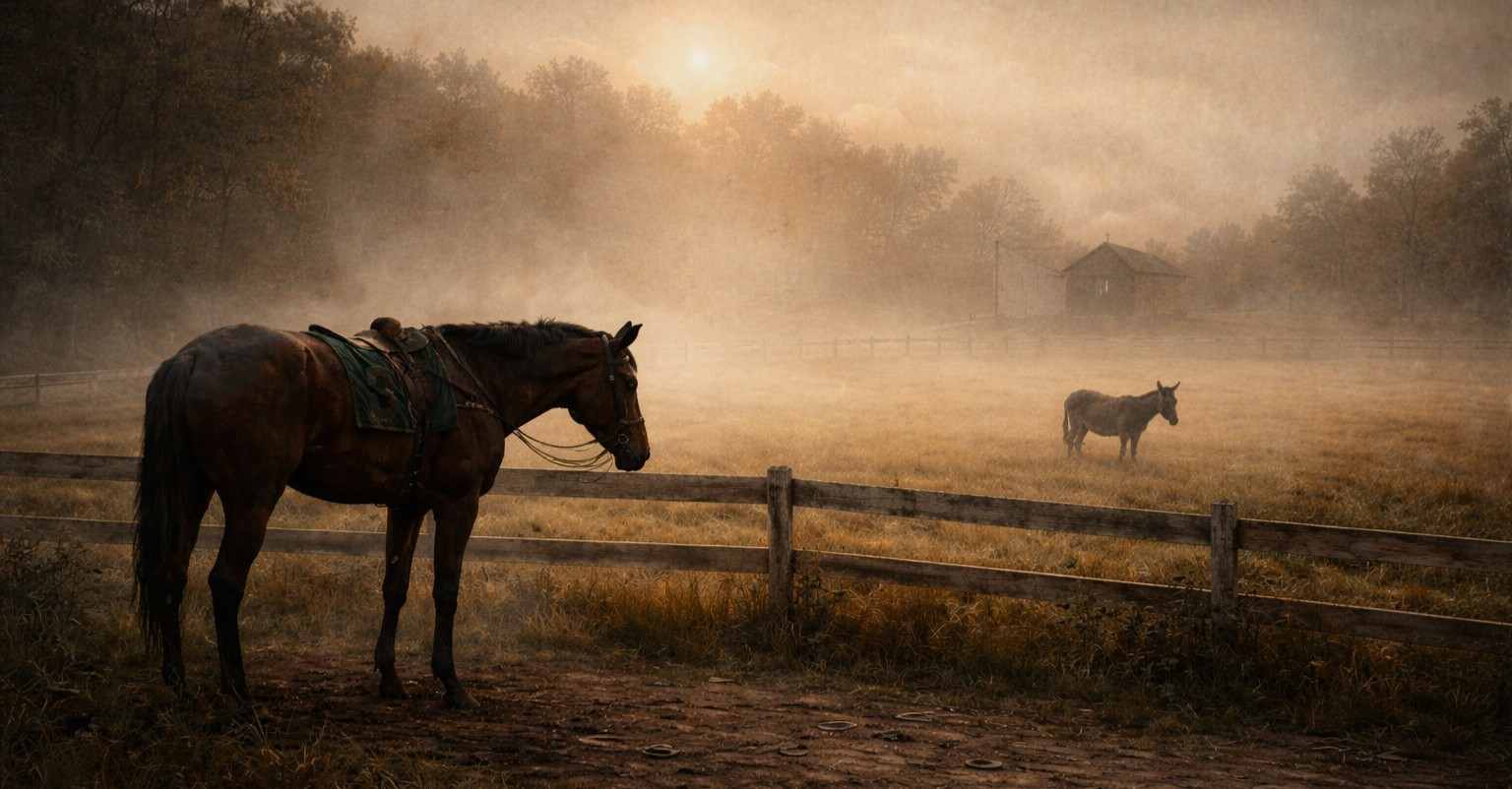
So they harnessed a horse: a living engine steaming in the sun, lean muscle and stentorian breaths, groomed and geared. Yet, its flesh grew tired, the horse’s pain inconvenienced men.
So they built a machine: pistons for lungs, steel for bones, engines for heartbeats— a restless body with no tears.
But a mother remained: straining on two legs, bearing like a chair, laboring like a horse, loaded past capacity.
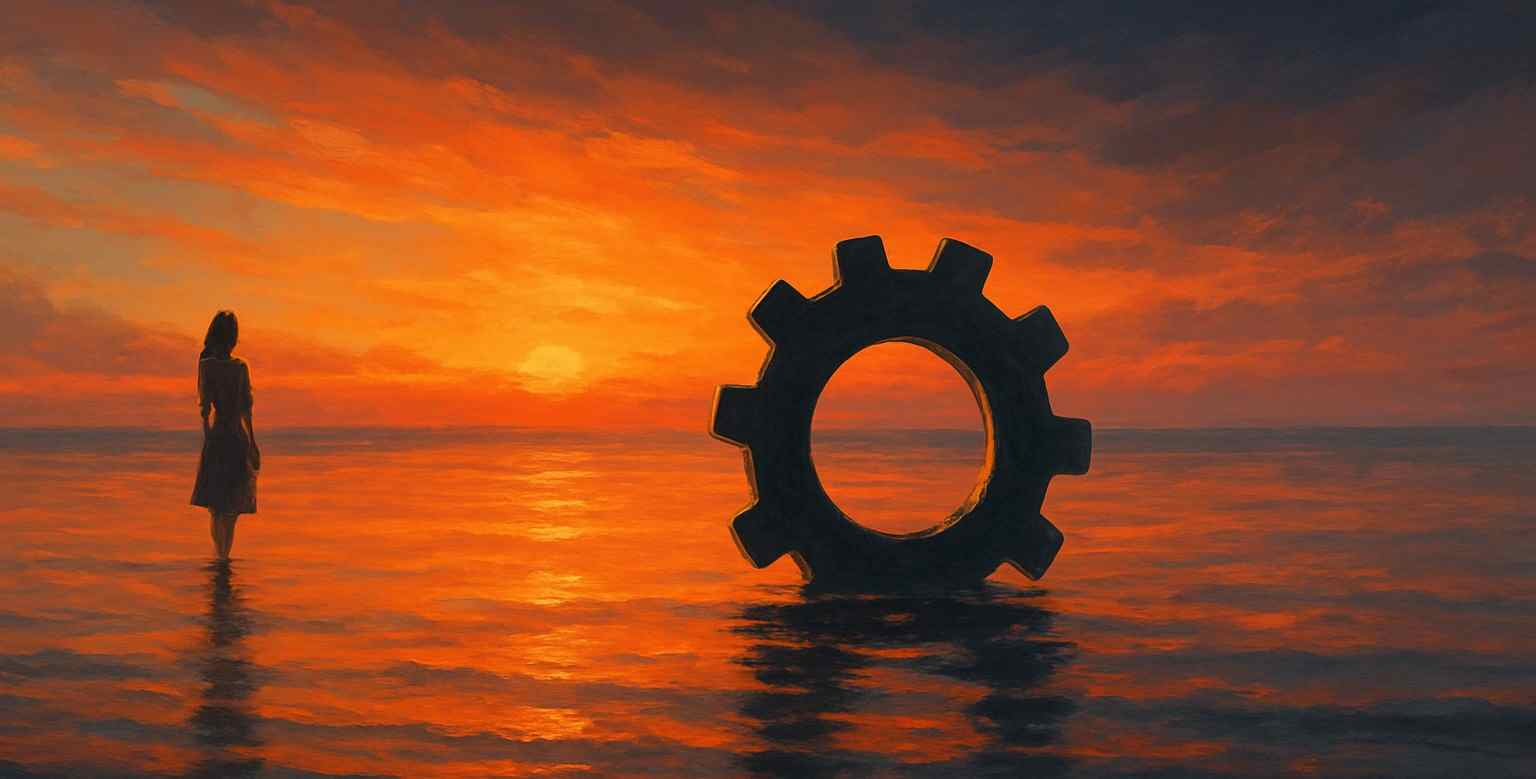
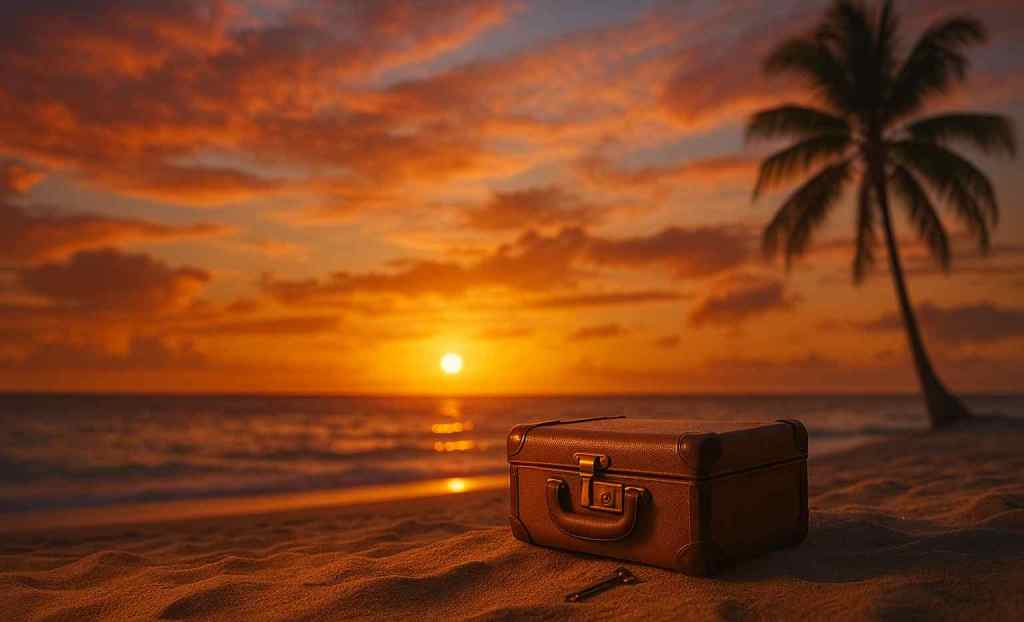
Author’s Note: A sunset got tangled in street cables above the lamps. Not a postcard-worthy view, but perhaps even more beautiful. What’s the point of faraway wonders before exploring your own backyard?
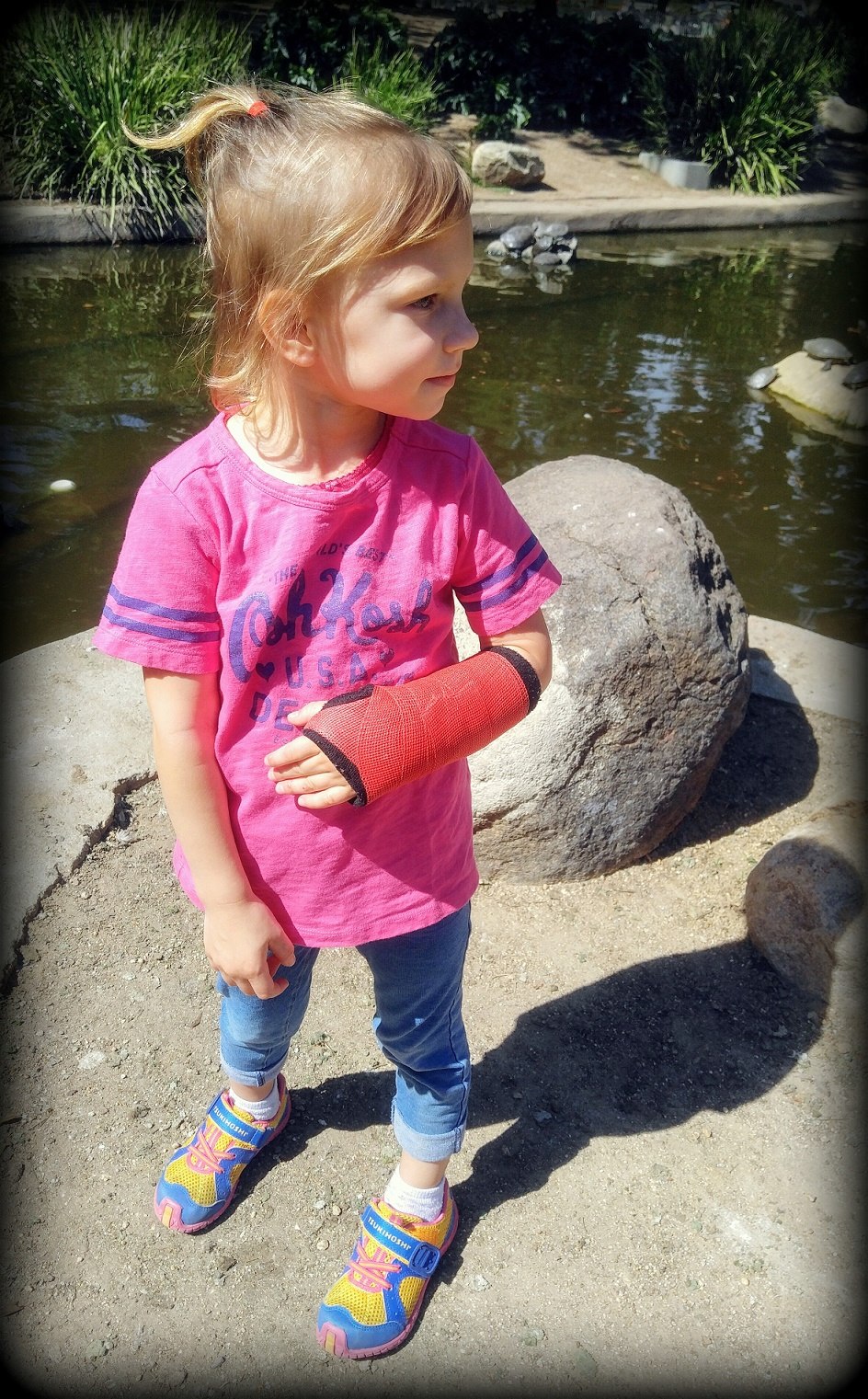
“Hello,” I answered, shutting the trunk of my car. “I think Nellie broke her arm. She fell from a structure on a playground, and she can’t stop crying. Where are you?” he asked, urgency spilling through the phone.
In the background, I heard my daughter screaming at full volume. It was the most devastating roar I’d ever heard from her—deep and loud, like a whale, but screechier. I felt a sudden rush of heat, as if someone had poured boiling water over my head.
Damn. She’s hurt, I thought, starting the engine. I gripped the wheel tight and took off.
“I’m in the car. I’ll be there in ten minutes,” I forced the words out through my tightening throat. “We’re waiting for an ambulance,” he said, his tone mirroring mine. “Hurry,” he added, and hung up.
My heart was pounding. I accelerated, but soon got trapped behind an old lady driving fifteen miles per hour in a thirty-five zone. I followed her while Nellie’s cry echoed in my head, louder than the speakers in the doors. How badly is she injured? What if she fell on her head?
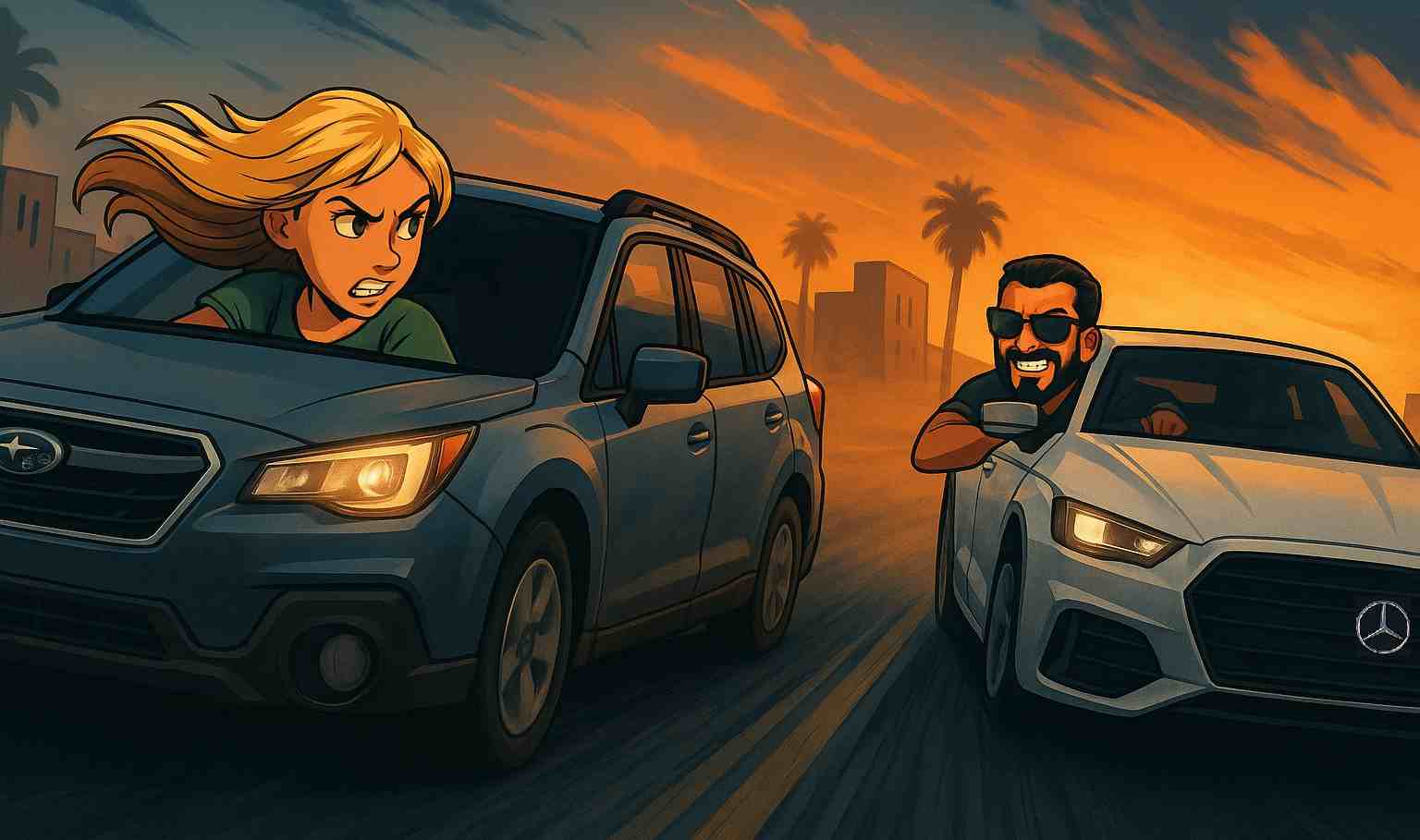
For a few blocks, my thoughts raced at the speed of light, while my car crawled like a turtle. I was tempted to honk, but this lady probably was too old to hear it anyway. My frustration boiled inside until Granny stopped at a red light, nearly rear-ending a white Mercedes. I swerved to the right lane, hoping to pass both cars when the light changed. A few long seconds later, I finally got the green. I hit the gas like I was auditioning for Fast & Furious—minus the fancy car.
I looked into the mirror to see if I had enough distance to change lanes, but then I saw… a hairy arm and a middle finger coming out of a white Mercedes! Like a reversed palm tree flipping me off from the jungle of traffic. I tried to ignore the gesture. My daughter’s screams still resonated in my head so, surely, I could not care less about an asshole in a Mercedes. Yet, I was pissed. Pissed and frantic.
I wanted to be with my daughter. Shit. I was pushing past fifty! A speeding ticket now would kill me. No way, I couldn’t afford to lose a second.
I stopped at a red light and saw the white Mercedes slide up to my right. No more palm trees waving. He must’ve thought he’d lost the race to a blonde chick in a dusty Subaru, now idling for a rematch. Then the window began to roll down, revealing Mr. Asshole with dark shades and an even darker attitude.
He shook his head, adjusting his flashy glasses (or just showing them off in the most ostentatious way), looked at me, and spoke: “You couldn’t wait, could you?” Wait for what? I thought. But I hadn’t said anything—not for another three seconds.
Then I took a long breath and said two precise sentences, both of which would’ve made my mother gasp and a pirate proud.
I watched his jaw drop, the black stubble blending into his black T-shirt.
I stared at him for a moment. Still. Then winked. “Nice talking to you. Drive carefully.” The light changed and I drove off, leaving behind a faint, fading ‘Oh, uh…’
When I finally got there, I saw an ambulance driving off. Red lights flashing, siren wailing. My stomach turned.
I followed them to the hospital. Doctors confirmed: My angel broke her wing.
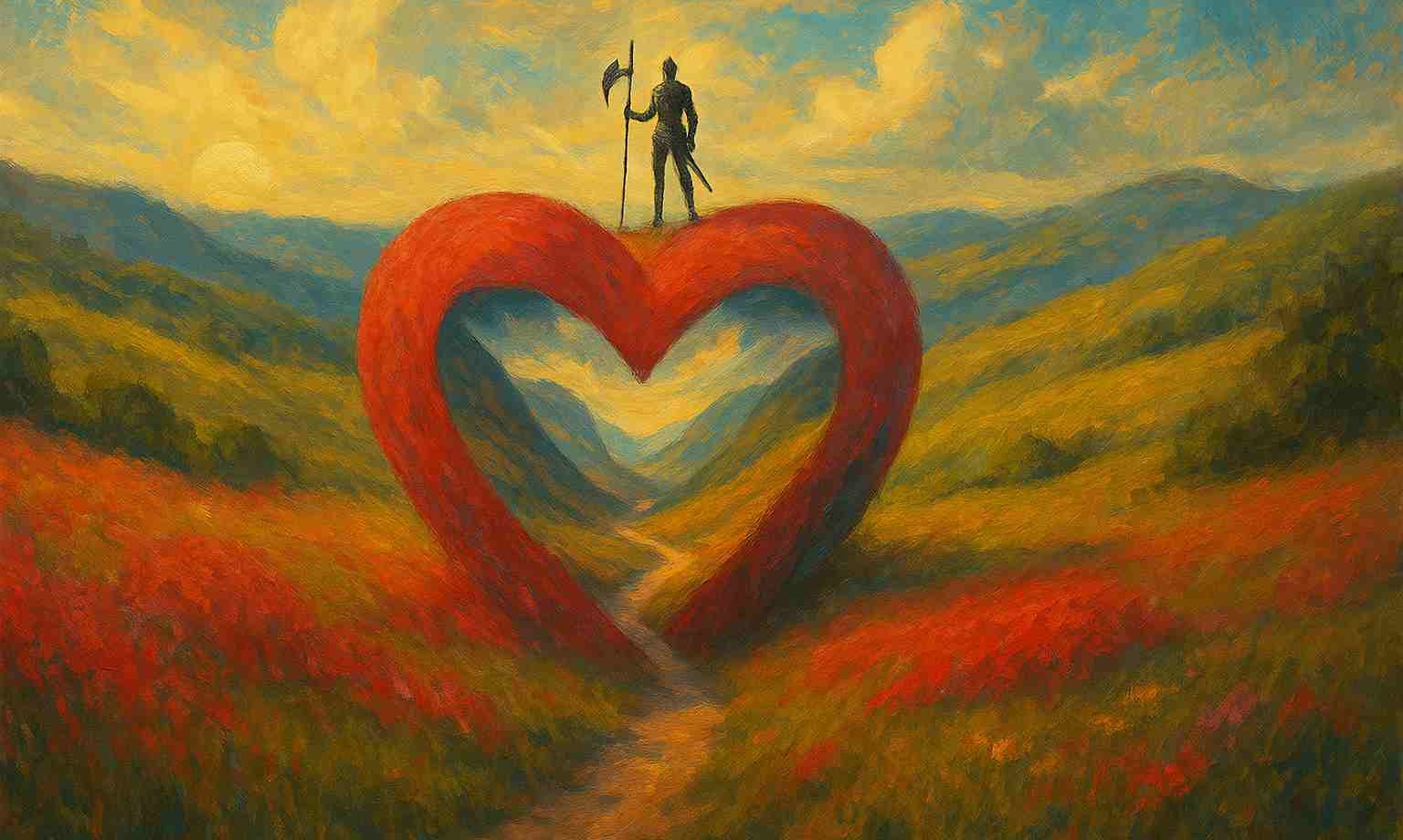
Atop my heart, where its two hills bend inward, lies the valley.
You sit astride— a stubborn knight, neither advancing, nor dismounting.
Why do you remain?
I never invited you, fearing your sword, its blade honed on our silence. I left the wicket ajar— a slit to watch you— watching me.
But three kin torches at my gate— scorched your sight, ignited your fear. You fled like a coward, left my depths unclaimed. Your halberd scraped my hollow; its echo—a cathedral bell, tolling the coarse-silk wound.
Or is it me— my longing—a magnet latching your armor, stabbing me?
It’s me. I refused to let you go. I stranded your ghost in this valley. Its shroud blinds me.
Author’s Note: I usually don’t let people in. Writing breaks that habit. I composed this poem with a specific notion, then thought about this blog—like a wicket slit opening to strangers. It’s where I create, think, and process. Sometimes poems crack my gate wide. I chose to share this one—probably for that very reason. Yet lately, I find myself questioning the purpose of this space at all.
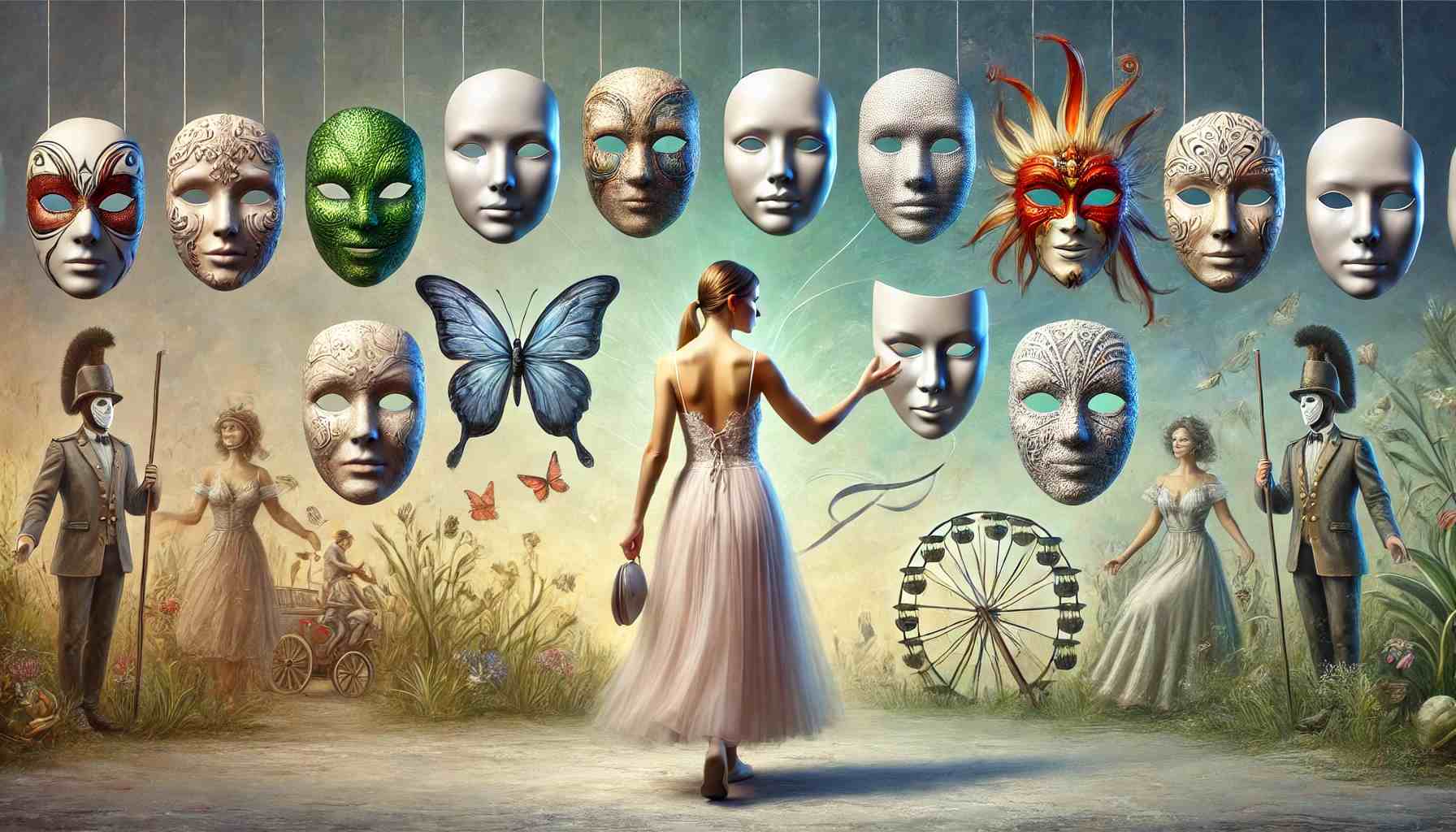
In life’s grand masquerade, I wear masks—shifting my personalities, like a chameleon’s skin, I adapt to awaiting expectations.
At work, wielding expertise and proficiency, stiff and stern— a façade of demanded service that pleases strangers.
To my parents, I forge a mask of obedience, an armor fitted since childhood, showcasing to the world their efforts.
For my children, the heaviest mask of all— painted with disciplined example, woven with warm patience, a mosaic of unconditional love.
Among friends, I wear humor—my most popular mask, highly demanded, like a jester spinning witty tales to amuse the crowd, a bright light beams through a kaleidoscope, scattering laughter across every face. This favored mask serves me well; but I shed it when alone.
If you peel off these masks, layer by layer, you’ll find my bare face at last. My eyes: mirrors of my heart, a clear, silent lake… See me.
Unbound, unguarded, unmasked—the real me. Cleansed by the rain of purity, I rediscover my forgotten contours distorted by layers of duty.
For my husband, I hide behind the thinnest mask— a dissolving mist, still he filters what he wishes to see, like a lens zooming in on a single detail, blind to the truth beneath my transparent disguise.
My masks exhaust me; like heavy chains, they weigh me down.
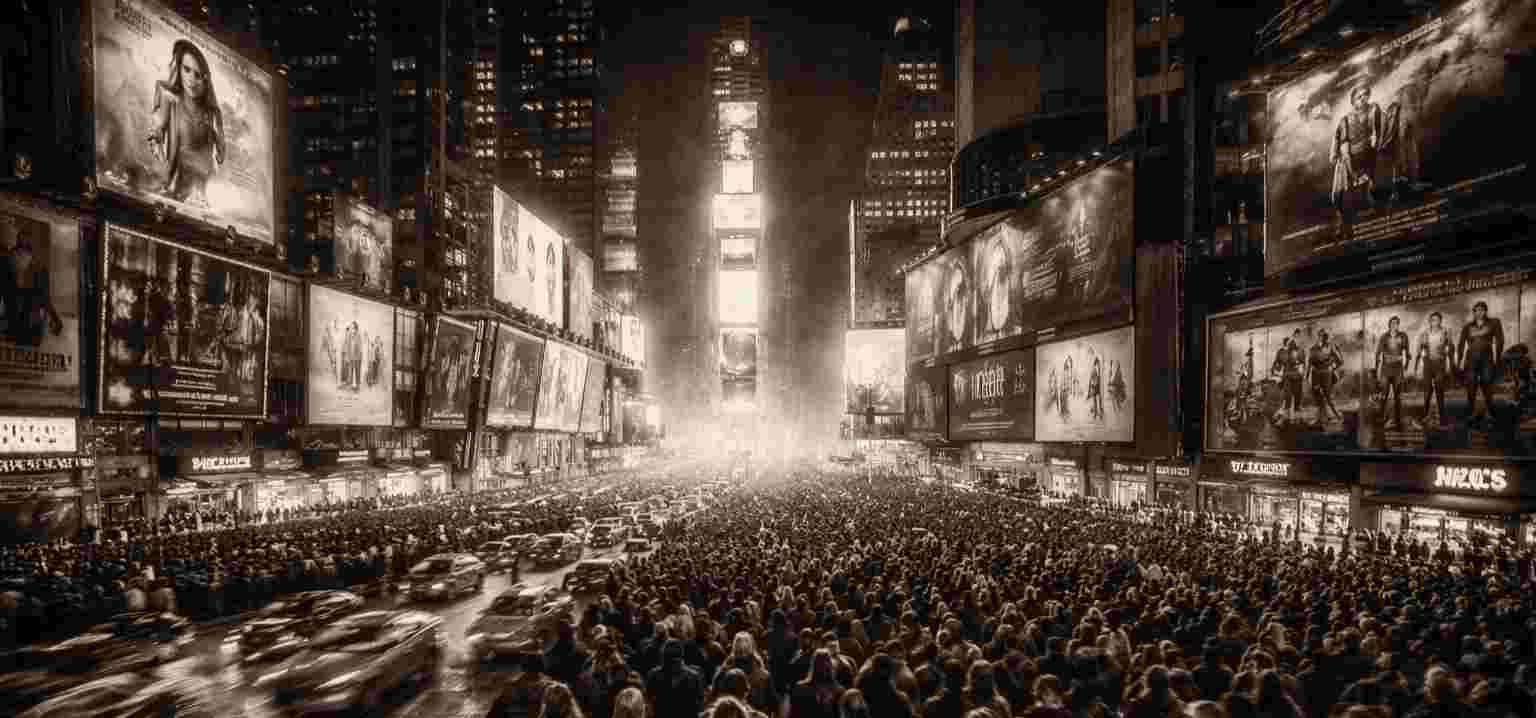
Yet, the ludicrous carnival endures— A hollow parade of fleeting extravagances: temporary delights and shallow possessions—soon forgotten.
Each costumed soul quietly yearns for rescue, rebelling against the imposed pretenses— all longing for gentle affection: to be seen and loved.
So, I ask you this: What mask shall I wear for you, Monsieur? Or dare to meet me unmasked, heart open, soul bare?
If you’ve read this far, you’ve glimpsed beyond my masks. Would you come closer, strip off yours— eye-to-eye, no veils between us?
Behind the ramparts of this masquerade, I stand—will you rise to find me?
Author’s Note: This poem has been on my mind for a long time. It reflects the roles we play in life—often without even realizing it. We wear masks to please others, feeding their endless demands, and in doing so, we lose ourselves. We don’t just project a false image—we surrender fragments of our identity, becoming puppets bound by the strings of others’ expectations.
From childhood, we’re trained to follow directions and meet society’s expectations, as though we must live for someone else, constantly under the lens of judgment. This disconnect creates a lack of authentic connections, yet the yearning for genuine affection stays in our hearts.
Another layer of this poem explores the tendency to seek validation through material possessions. Many hide behind fancy items and designer labels, projecting an illusion of worth. Beneath the surface, these illusions often overshadow one’s true value. Like hollow mannequins draped in overpriced clothes, they project their worth through price tags.
We’ve all worn masks at some point to fit in—it’s part of being human. Nevertheless, I think that everyone has something authentic to offer, but not everyone is willing to believe in it and embrace their uniqueness.
I have no intention of changing who I am for others, but I’ve learned to adjust my behavior when necessary—like it or not.
When does the masquerade end? Perhaps it ends when we cut the strings and dare to stand unmasked—naked, trembling in the panic of inconvenient reality, yet finally free!
Life is too short to dance to someone else’s tune!
Finally, it was my birthday last week. Birthdays have a way of sparking reflection, don’t they? This one felt particularly powerful for me. Like a wake-up call, it urged me to think deeply about the kind of life I truly want to live—and the masks I must drop. 🎭


 Wolverine Lily